Ultrafine silver powder is an important material in the electrical and electronic industries, and is a widely used precious metal powder in the electronic industry. Due to its unique structure, silver nanoparticles exhibit small size effects, quantum size effects, surface effects, and macroscopic quantum tunneling effects, resulting in physical and chemical properties that traditional materials do not possess. Nano silver particles play an extremely important role in the fields of surface enhanced Raman spectroscopy, surface enhanced resonance scattering spectroscopy, molecular biology, supramolecular systems, and are one of the important materials for basic theoretical research
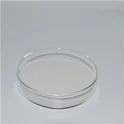
Silver powder with micron size.
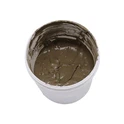
Nano sized silver powder (nano silver powder)
The particle morphology includes spherical, dendritic, flaky, cubic, and microcrystalline.
After complexing silver nitrate with ammonia water, adding dispersant, reducing with hydrazine, washing with water, filtering, and drying, the product is obtained.
Average particle size<0.5 μ m。 The specific surface area is 0.1-5m2/g.
In addition, there is also the formaldehyde reduction silver oxide method. And the method of converting silver nitrate into silver carbonate and reducing it with triethanolamine to obtain molecular silver.
Nano silver powder has high surface activity and catalytic performance, and is widely used as a catalyst and diluent for ultra-low temperature refrigerators. At the same time, due to its unique physical and chemical properties, it has also been widely applied in immune analysis, sensor development, molecular electronics, and other fields. In addition, adding a small amount of nano silver to chemical fibers can improve certain properties of chemical fiber products and give them strong bactericidal ability. Ultrafine silver powder can be roughly classified into spherical, flocculent, dendritic, and flaky forms according to its morphology; According to particle size, it can be divided into: fine silver powder, with an average particle size of 10-40 μ m; Very fine silver powder with an average particle size of 0.5-10 μ m; Ultrafine silver powder, average particle size<0.5 μ m; Nano silver powder, particle size<0.1 μ m。
The preparation methods of ultrafine silver powder mainly include gas phase method, liquid phase method, and solid phase method. Gas phase method has high investment, high energy consumption, and low yield; The ultrafine silver powder prepared by solid-state method has a larger particle size and a wide particle size distribution range; Liquid phase chemical reduction method is currently a commonly used method for low-cost and small-scale preparation of ultrafine silver powder.
The principle of preparing ultrafine silver powder by liquid-phase chemical reduction method is to use a reducing agent to deposit silver in powder form from its salt or complex aqueous solution or organic system. Commonly used reducing agents include formaldehyde, ascorbic acid, glycerol, organic amines, unsaturated alcohols, sodium citrate, hydrazine, and hydrazine compounds. Hydrazine hydrate is commonly used. By adding a certain amount of nitrate as an additive to the silver ammonia aqueous solution and adjusting the amount of the additive under the action of the reducing agent hydrazine hydrate, different particle sizes of silver powder can be obtained. The nitrate additives used can be one or two, and the amount added depends on the requirements. The silver powder obtained by this method has small particle size, small particle size distribution range, and good reproducibility.
Apr 15, 2023
Ultrafine silver powder is an important material in the electrical and electronic industries
Send Inquiry